

Chimney cleaning in Oak Park, IL
When a flue has gone years without attention, or a stove smokes and smells, it needs more than a quick brush. We clear the buildup, the nests and the debris from the firebox up.
- Heavy soot and creosote
- Nests and debris
- Firebox and smoke chamber
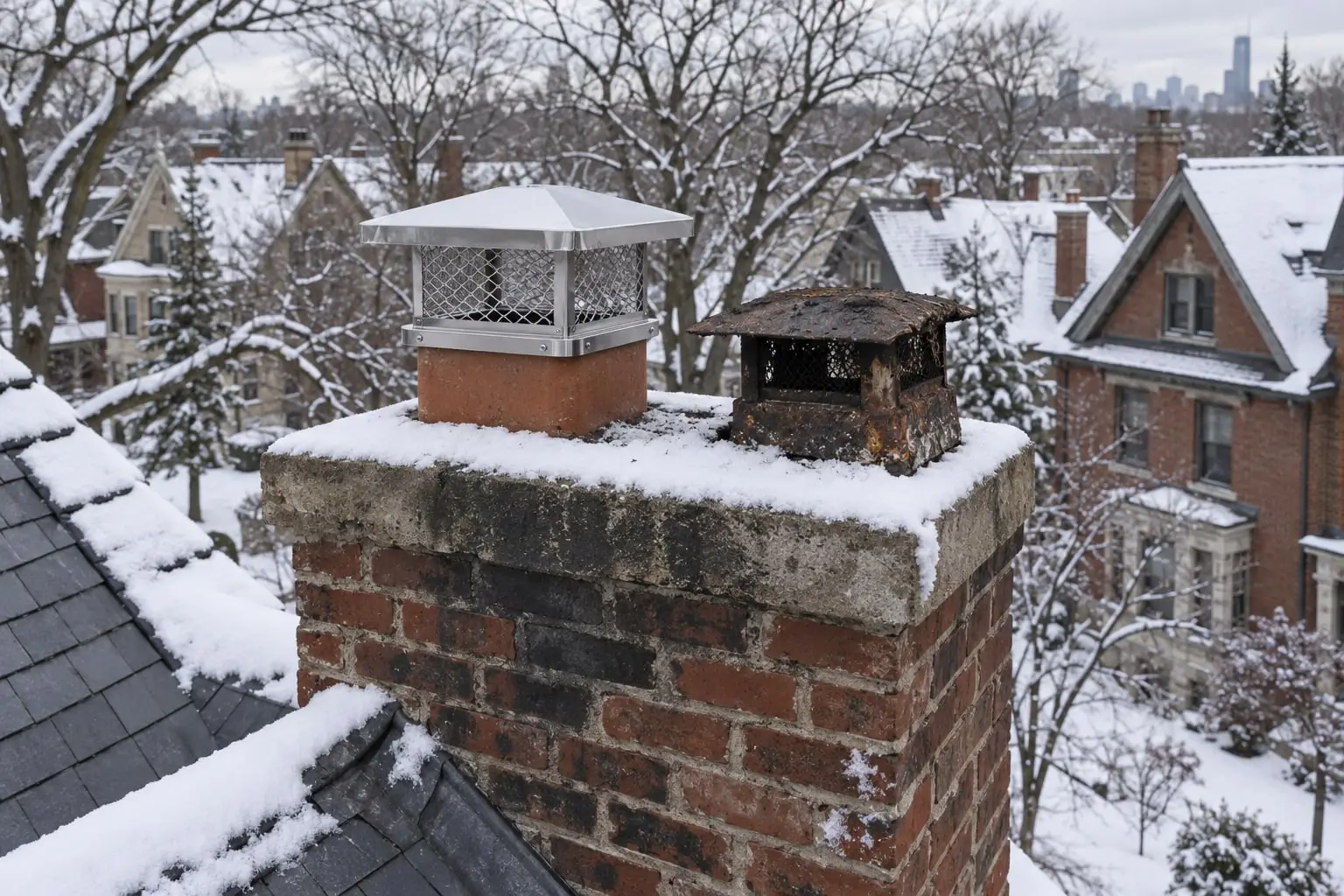
When a quick sweep is not enough
Creosote does not always sit as loose soot. Left alone through many seasons it can harden into a glossy glaze that a normal brush does not move, and that takes more time, different tools and sometimes more than one pass.
Cleaning is also what we do after the things that foul a chimney in other ways. These are the situations that call for it.
- A chimney that has not been cleaned in several years
- A damp, smoky smell that comes down into the room
- Birds, squirrels or raccoons that nested in the flue
- Leaves and fallen mortar sitting on the smoke shelf
- Soot-stained glass or a stove that burns badly
- A fireplace you are bringing back into use
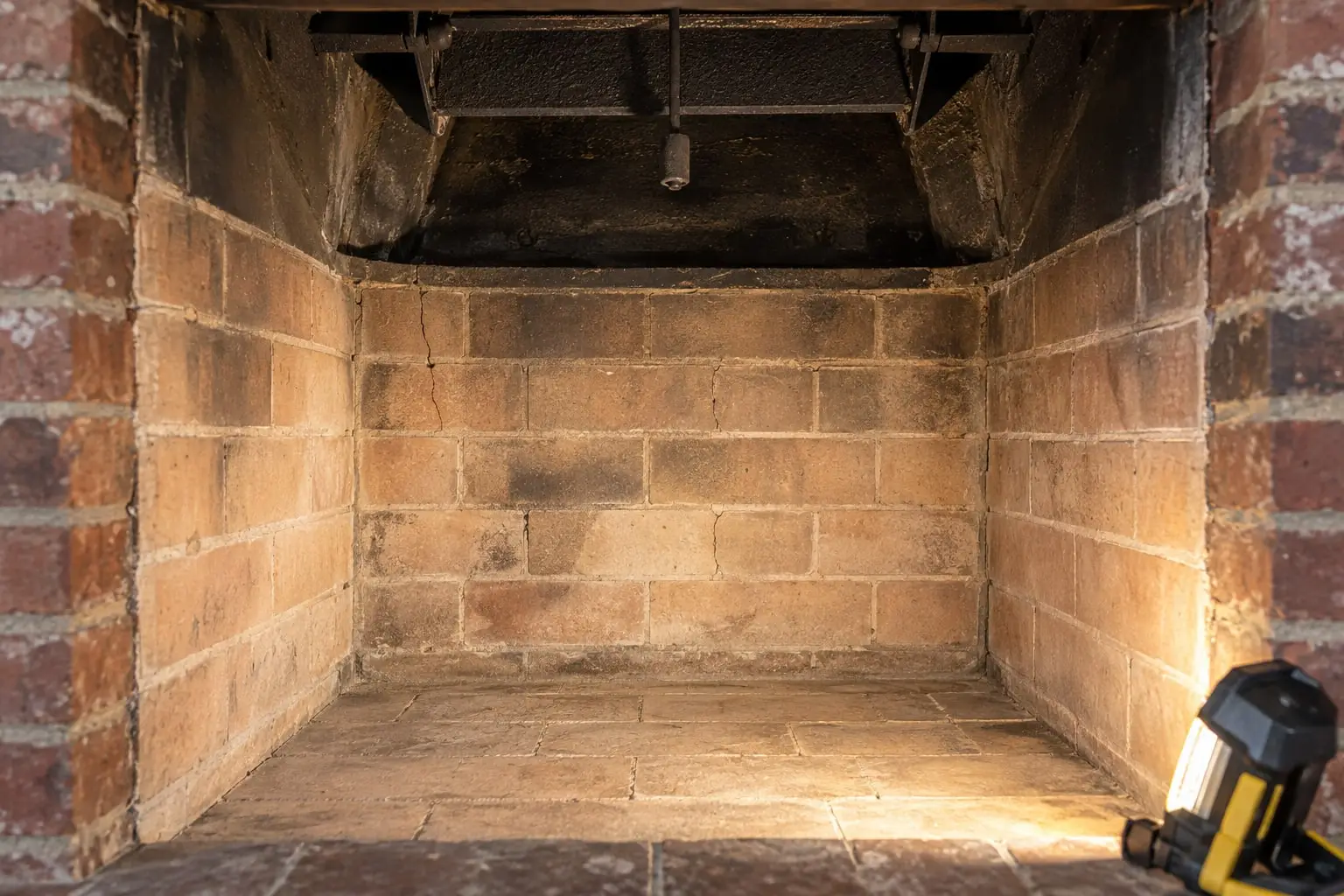
What you get with Chimney cleaning
A flue that is clean, not just brushed
We keep going until the flue walls are clear of the buildup, and not only the loose part.
Lower fire risk
Heavy creosote is the fuel of a chimney fire, so removing it is the biggest safety step a cleaning takes.
A fresher room
Old soot and creosote are what give a fireplace its stale, smoky smell, especially in humid weather.
Protection for your floors
The hearth and the floor around it are covered before we begin and left tidy when we finish.
What a cleaning includes
We clean the whole path the smoke takes, and not only the long straight part of the flue.
- The flue, brushed more than once where the buildup is heavy
- The smoke chamber and the smoke shelf
- The firebox and the damper
- Nests, leaves and debris removed from the flue
- The stovepipe of a stove or an insert
- Stove glass and door gaskets looked over
Stoves and inserts
A stove burning cool, damp wood fills its pipe with soot quickly, and the glass blackens with it. Cleaning the pipe and glass helps, and so does what you burn: dry, seasoned hardwood leaves far less behind than wet or green wood.
Chimney cleaning questions
What is the difference between chimney cleaning and a chimney sweep?
A sweep is the routine yearly brushing of a flue that is in regular use. Cleaning is the heavier job: hardened creosote, years of neglect, nests and debris. We tell you which one your chimney needs when you call.
Why does my fireplace smell, even without a fire?
Old soot and creosote hold odor, and it comes back when the air is damp or when warm air pulls down the flue. Cleaning the flue and the smoke chamber usually reduces it a great deal.
There is an animal in my chimney. What do I do?
Do not light a fire. Call us and describe what you hear or see. We can remove nests and debris, and a cap with a mesh screen keeps animals out afterward.
Can a stove with a blackened glass be cleaned?
Yes. Cleaning the glass and the pipe is part of the visit, and a few changes to how you build the fire, like using drier wood, usually keep the glass clear for longer.
Other services we provide
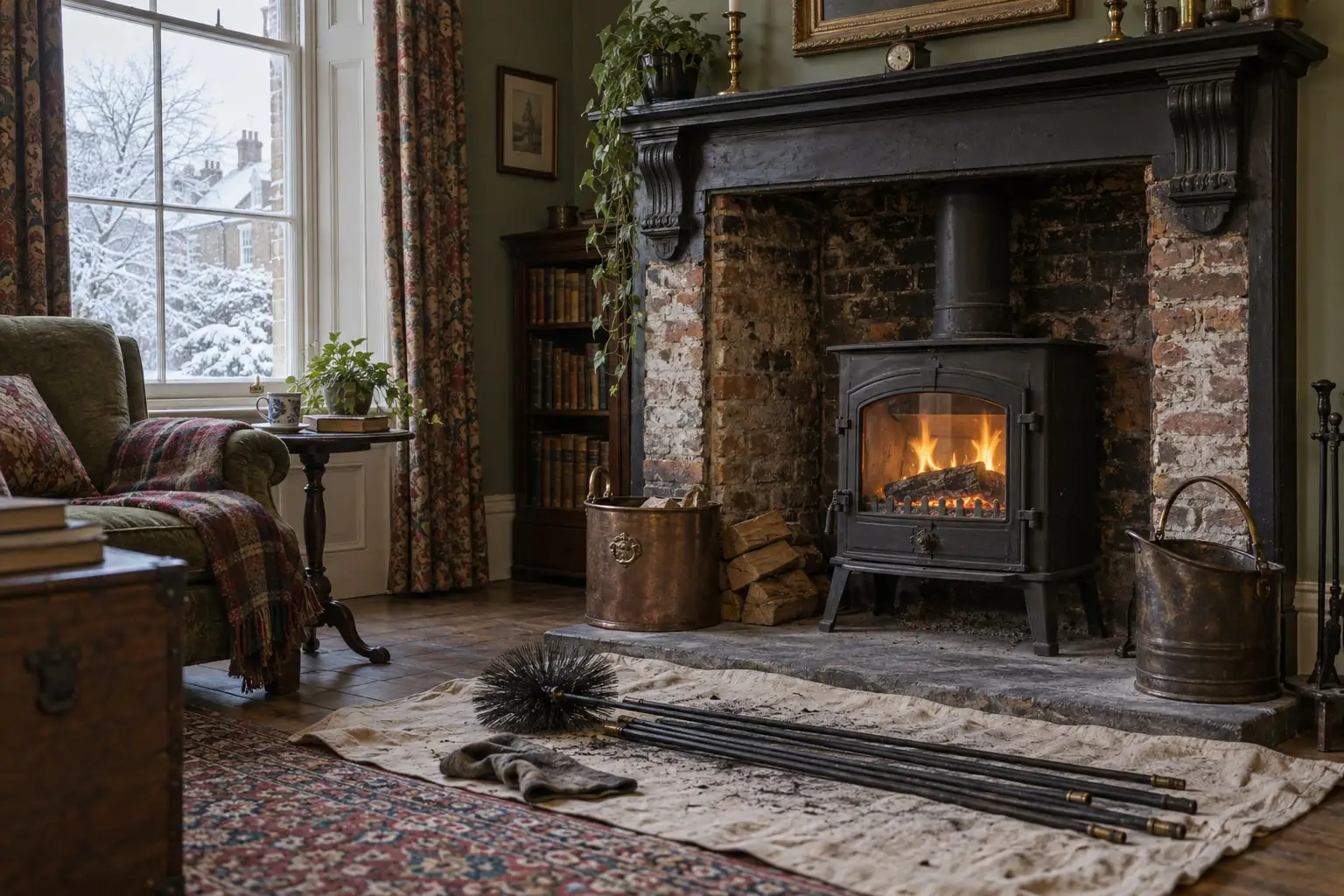
Chimney sweep
Flues brushed clean of soot and creosote, for open fireplaces, wood stoves and inserts.
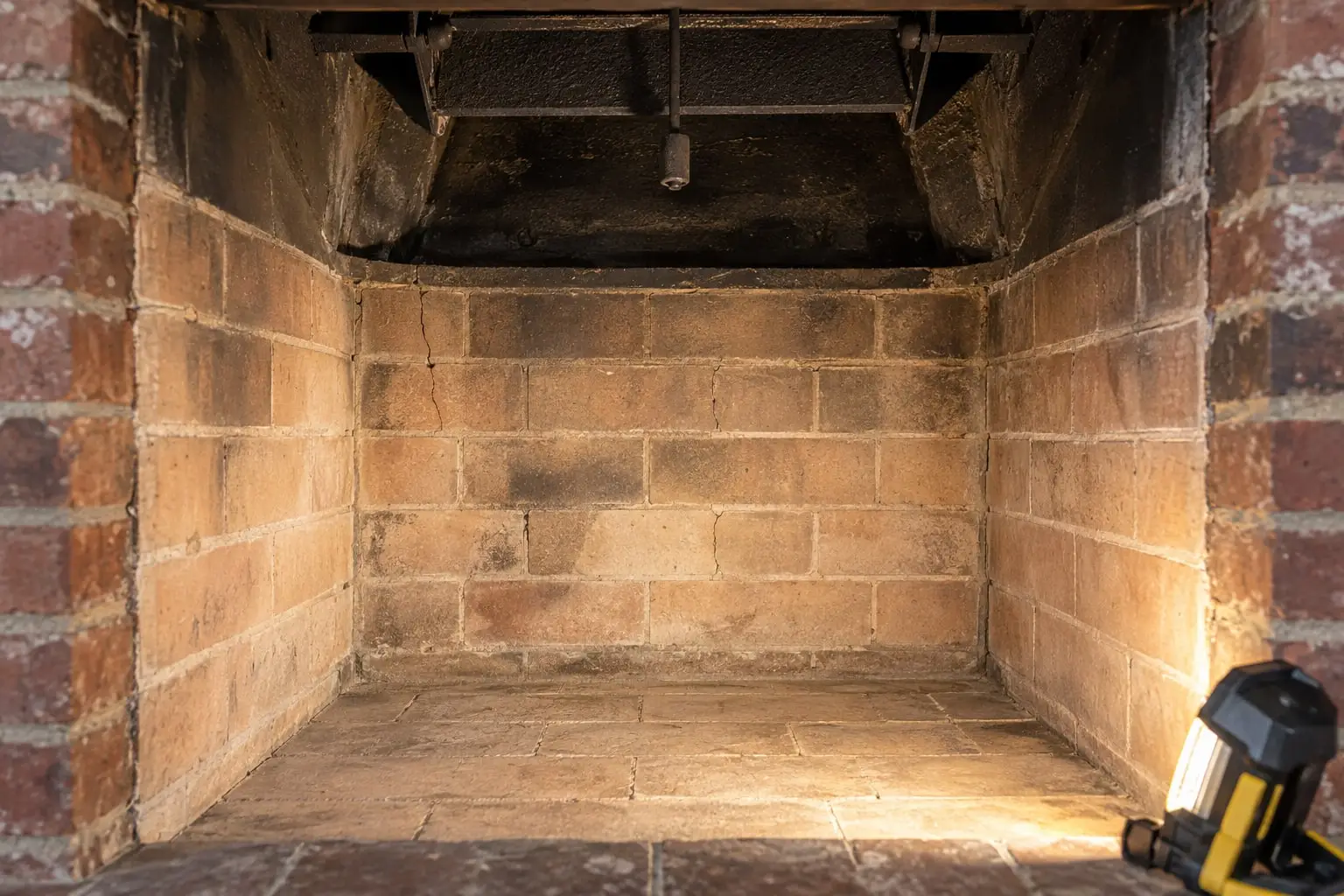
Chimney inspection
A close look at the firebox, flue and top of the chimney, with a plain account of what we find.
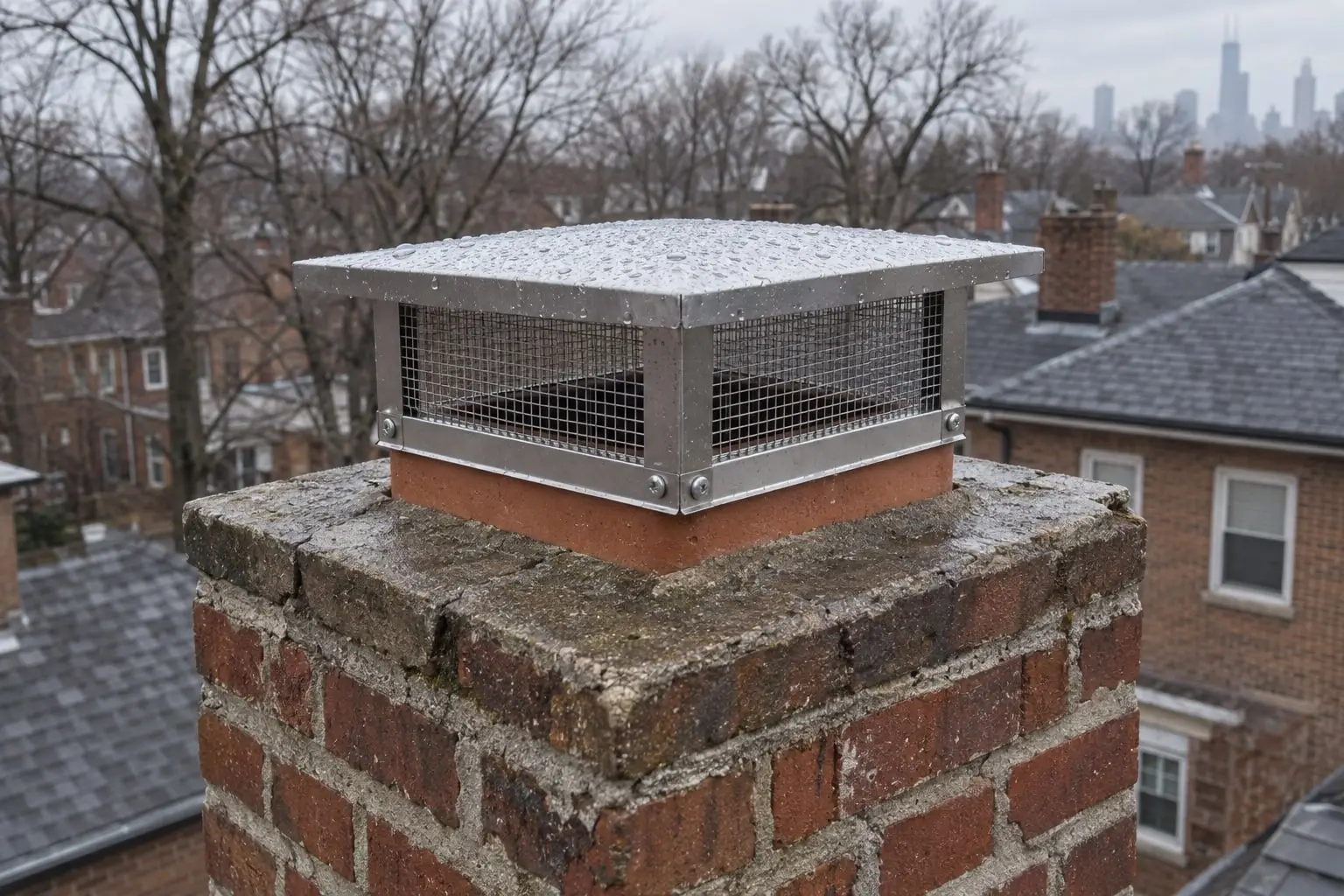
Chimney cap services
Caps and lids fitted, replaced or repaired to keep rain, leaves and animals out of the flue.
Ready to book your chimney cleaning?
Fireplace, stove or insert? Tell us which, leave your number, and we call to book a visit.