

Chimney masonry restoration in Oak Park, IL
Brick and mortar that have stood through many Chicago-area winters wear. We repoint open joints, replace broken bricks and rebuild loose courses so the stack stays sound.
- Repointing
- Brick replacement
- Rebuilt courses
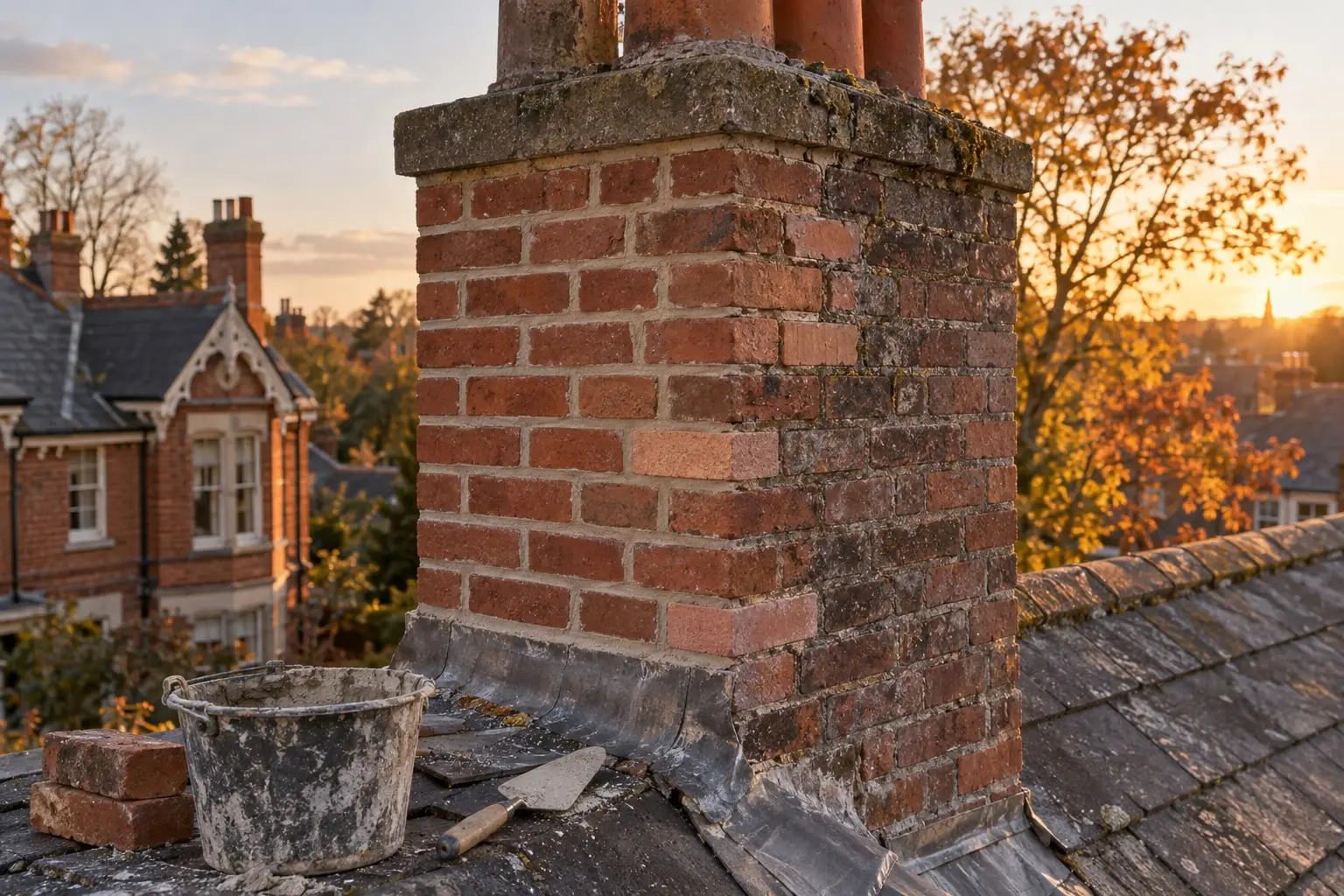
Old brick needs looking after
Brick takes in water and lets it out again, and mortar is meant to be the softer, sacrificial part that wears first so that the brick does not. After many decades the mortar between the bricks gets sandy and opens, water gets behind the face of the brick, and winter freezes push that face off.
Many of the brick chimneys of Oak Park are old enough to have reached that stage. These are the signs.
- Mortar joints that are recessed, crumbling or sandy
- Bricks with the face flaking or peeling off
- White chalky streaks on the brick
- Bricks that move or a stack that leans
- Loose or missing bricks near the top
- Debris from the chimney on the roof or in the gutters
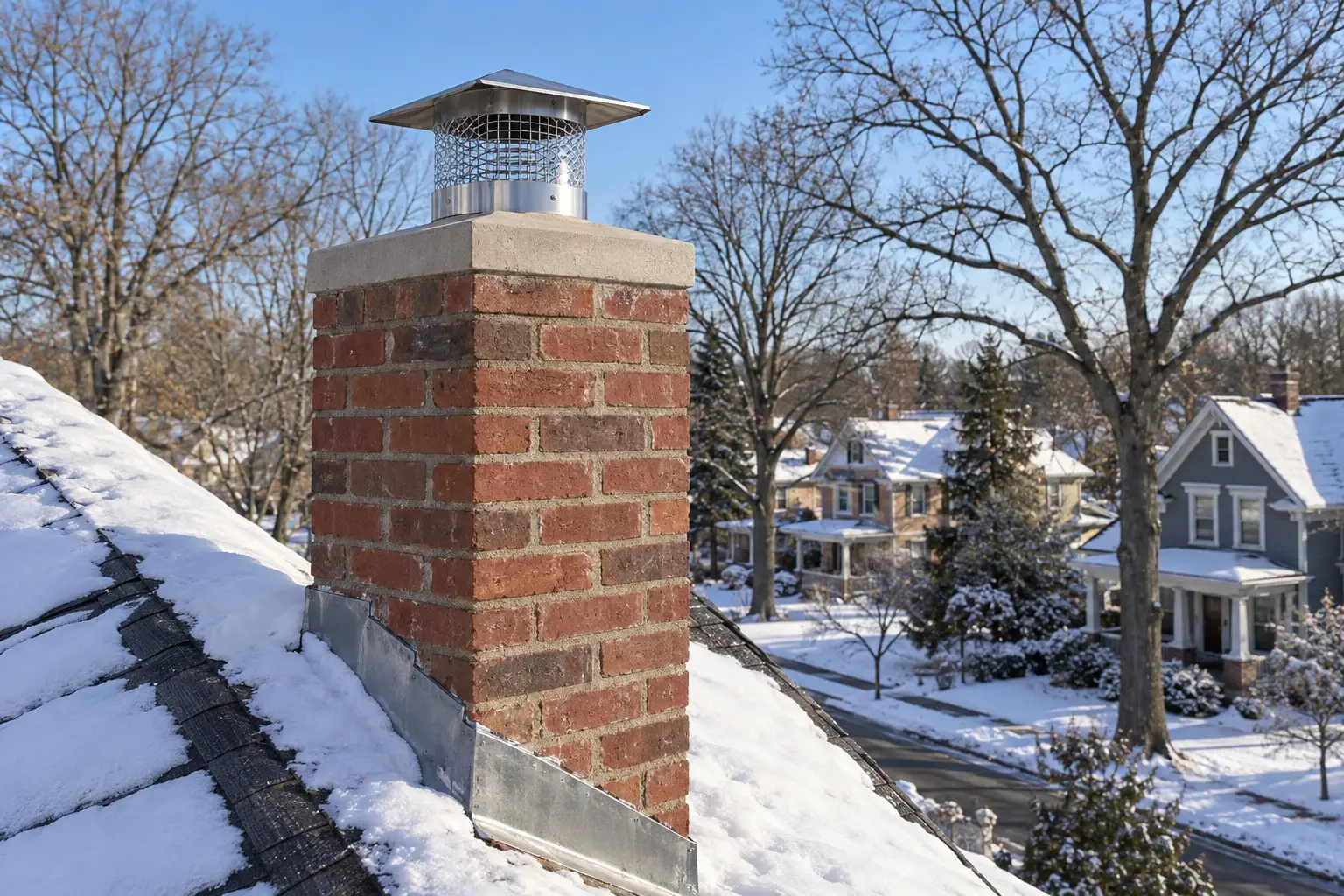
What you get with Masonry restoration
Joints made tight again
Repointing replaces the worn mortar between the bricks, so water has no easy path into the stack.
The look of the original
Replacement bricks and mortar are chosen to sit well with what is already there, which matters on an older house.
A sound top
Rebuilding loose courses at the top removes the risk of bricks coming down onto the roof or the yard.
Planned for the weather
Mortar needs mild weather to cure, so masonry work is scheduled from spring to fall.
Masonry work we do
We look at the whole stack first, since the worst of the wear is usually at the top, and then match the repair to what failed.
- Repointing, also called tuckpointing, of open or sandy joints
- Replacing cracked, broken or spalled bricks
- Rebuilding loose or leaning courses at the top
- Repairing the crown and flashing that protect the masonry
- Cleaning out loose debris once the work is done
Why mortar matters
The mortar has to be right for the brick. A mix that is much harder than old brick can damage it, because the brick then takes all the movement and wear. We use a mortar suited to the existing masonry, and we tell you what we plan before we begin.
Masonry restoration questions
What is repointing?
Repointing is the removal of worn mortar from the joints between the bricks and its replacement with fresh mortar. It is sometimes called tuckpointing, and it is the most common way to restore a masonry chimney.
How do I know my chimney brick is failing?
Crumbling mortar, bricks with the face peeling off, white chalky deposits and bits of brick or mortar on the roof are all signs. A chimney that leans or has loose bricks should be looked at without delay.
Can you match the old bricks?
We choose replacement bricks that suit the existing ones in size, color and texture as closely as available. An exact match is not always possible on very old brick, and we will say so before the work.
Is masonry work possible in winter?
Mostly it is better from spring to fall, since mortar needs temperatures above freezing to cure. If a chimney is in poor shape now, call and we will tell you what can be done first and what should wait.
Other services we provide
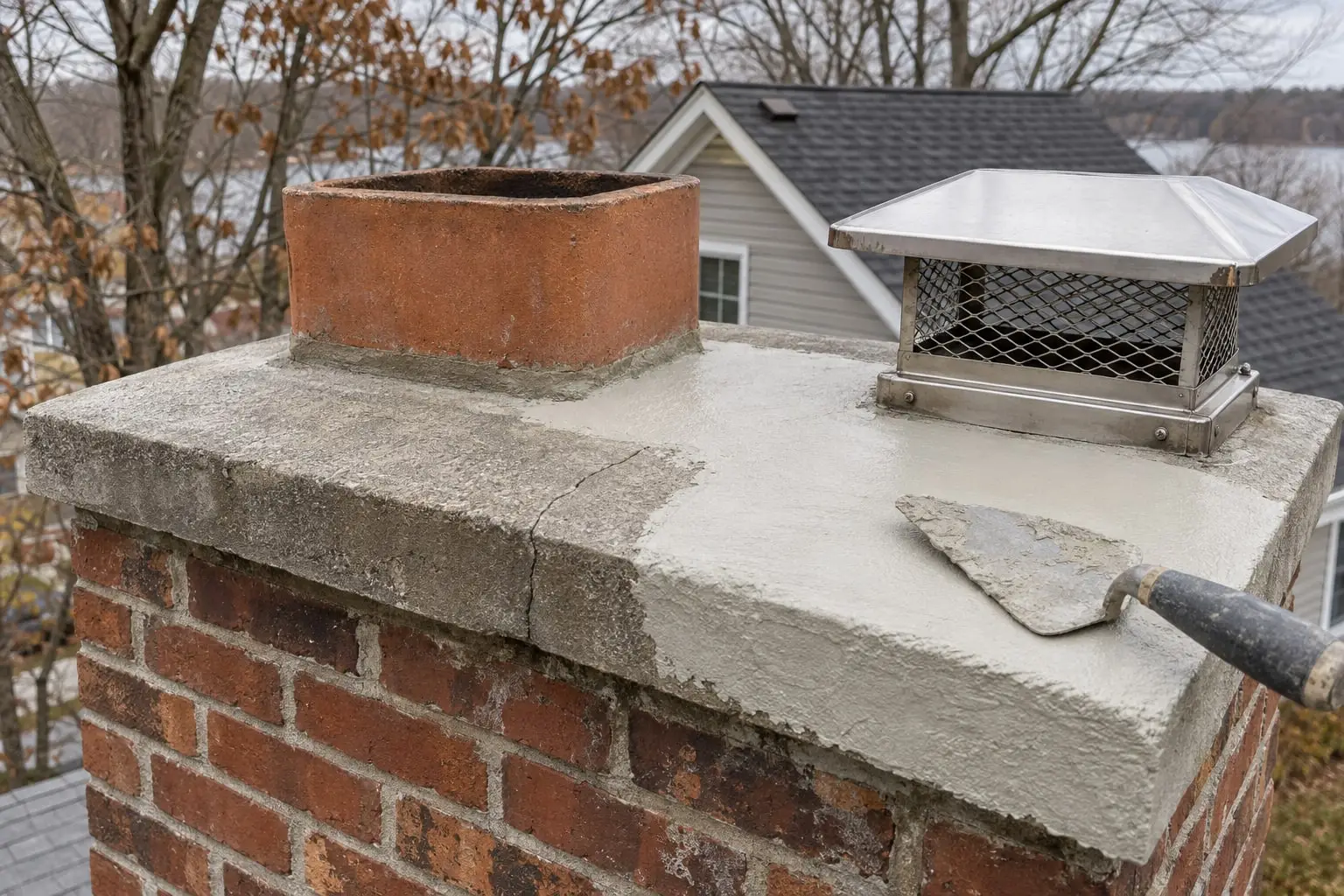
Chimney crown repair
Cracked or crumbling crowns sealed, resurfaced or rebuilt so the brick below stays dry.
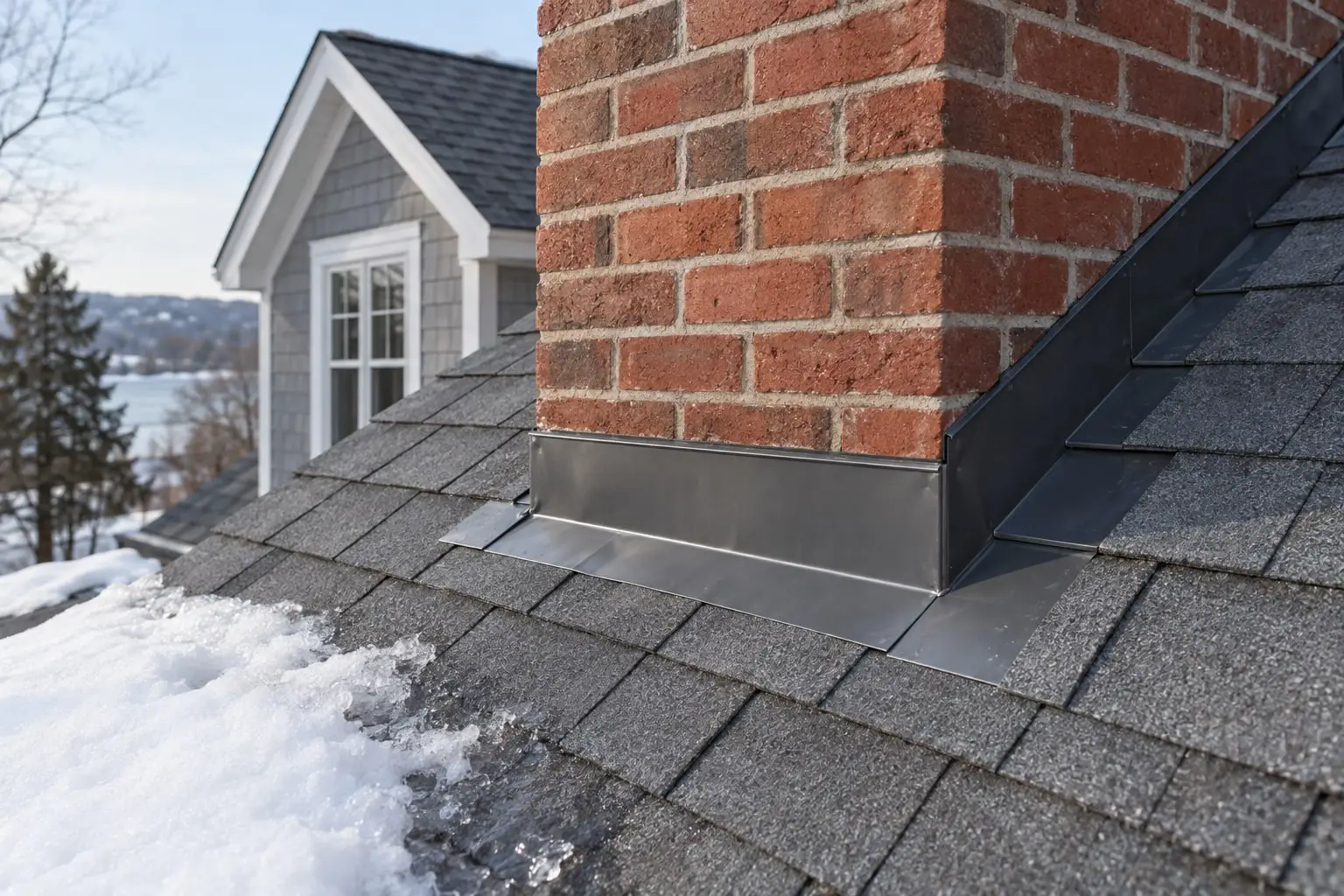
Chimney flashing repair
Flashing at the roof line replaced or resealed, to stop leaks where the chimney meets the roof.
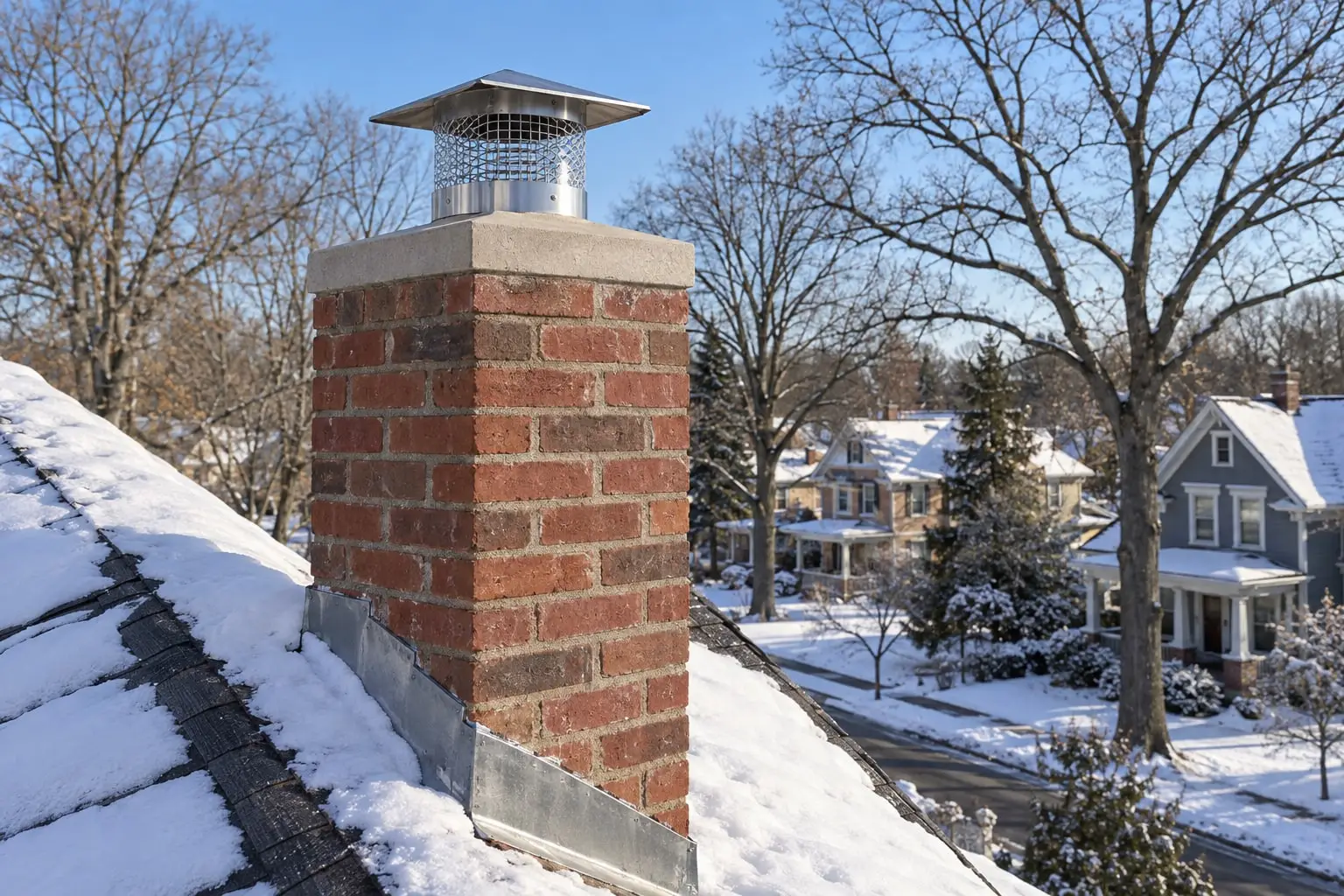
Chimney repair
We repair caps, flue pipes, crowns, flashing and brick so that rain and frost cannot get into the chimney.
Ready to restore your chimney masonry?
Fireplace, stove or insert? Tell us which, leave your number, and we call to book a visit.